

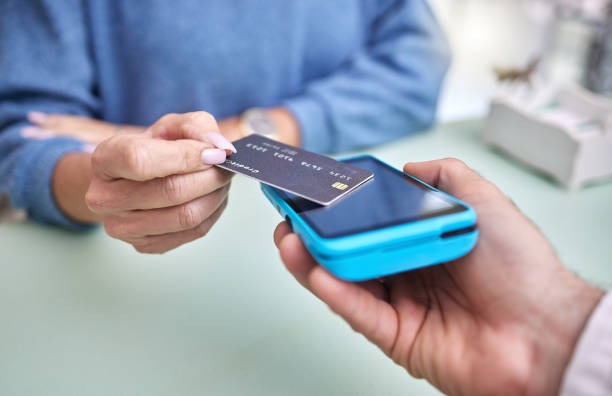
Imagine handing someone your contact details without handing them anything at all. No paper. No fumbling with wallets. Just a tap — and done. That’s the quiet revolution happening in professional networking right now, and it’s powered by a tiny technology called NFC.
Near Field Communication, or NFC, has been quietly embedded in our smartphones for years. We use it to pay for coffee, scan transit cards, and unlock hotel rooms. But now, professionals across industries are discovering one of its most practical applications yet: the NFC business card. It looks like a regular card — sleek, flat, and pocket-sized — but inside it carries a microchip that transmits your digital profile instantly to any NFC-enabled smartphone.
If you’ve been wondering whether it’s time to ditch the paper stack sitting in your desk drawer, this article is for you.
What Exactly Is an NFC Business Card?
An NFC business card is a physical card embedded with a Near Field Communication chip. When tapped against a compatible smartphone — which includes virtually every modern Android and iPhone — the chip communicates wirelessly and triggers an action, usually directing the recipient to your digital contact page, portfolio, LinkedIn profile, or vCard download.
The card itself requires no battery, no app, and no internet connection on your end. The NFC chip is passive, meaning it draws power from the reader’s device. The result is a seamless, near-instant exchange that feels like magic but is really just elegant engineering. Most cards are made from PVC, metal, bamboo, or recycled materials, giving professionals both durability and eco-conscious options.
Why Paper Business Cards Are Losing Ground
Let’s be honest — the traditional paper business card had a good run. But the problems are hard to ignore. They get lost. They fade. They pile up in desk drawers never to be seen again. A 2019 study found that roughly 88% of paper business cards are discarded within a week of being handed out. That’s a staggering waste of money, trees, and opportunity.
Beyond environmental concerns, paper cards are static. Once printed, they’re frozen in time. Change your phone number, get a promotion, rebrand your company — and your entire print run becomes outdated. In fast-moving industries where roles and contact details shift frequently, this inflexibility becomes a real liability. NFC cards solve this problem elegantly.
Instant and Effortless Contact Sharing
One of the most immediate benefits of an NFC business card is how frictionless the exchange becomes. At a conference, trade show, or casual coffee meeting, you tap your card to someone’s phone and your contact information lands directly on their device. No typing. No squinting at small print. No lost cards at the bottom of a bag.
Recipients don’t need a special app to receive your information. Their phone handles it natively. This ease of use makes a strong first impression — especially in tech-forward industries where your tools signal your mindset. When you hand someone an NFC card, you’re communicating efficiency, modernity, and attention to detail before you’ve even spoken a word.
Always Up-to-Date Information
Here’s where NFC business cards truly outshine paper: the ability to update your information anytime without reprinting anything. Most NFC card platforms — such as Mobilo, Popl, HiHello, and Dot — connect your card to a dynamic digital profile. Change your job title, email, or phone number through the app or web dashboard, and the update goes live instantly.
This is particularly valuable for freelancers, entrepreneurs, and anyone in a fast-changing career stage. You invest in the card once and it adapts with you. No waste, no reorders, no out-of-date details floating around in someone else’s contact book. The card you give out today remains accurate a year from now, which is something no paper card can promise.
Trackable Analytics and Engagement Data
This is a feature that most people don’t expect — and then can’t live without. Many NFC business card platforms offer built-in analytics, letting you see exactly how many people have tapped your card, when they did it, and what links they clicked on your profile.
For sales professionals, recruiters, and marketers, this data is genuinely valuable. You can see which networking events drove the most engagement, which parts of your profile get the most attention, and even follow up with leads at the right time. Traditional paper cards offer zero feedback loop. NFC cards, by contrast, turn every tap into a trackable touchpoint — giving you the kind of insight usually reserved for digital marketing tools.
Eco-Friendly and Sustainable Networking
Sustainability is no longer a niche concern — it’s a mainstream business value. Companies and professionals alike are looking to reduce waste wherever possible, and the switch from paper business cards to NFC cards is one of the easiest environmental wins available.
A single NFC card replaces hundreds or even thousands of paper cards over its lifetime. Many NFC card providers now offer options made from recycled PVC, sustainably sourced bamboo, or even biodegradable materials. By making the switch, you’re not only reducing paper waste but also cutting out the ink, packaging, and transport emissions associated with traditional print runs. It’s a small change with a surprisingly meaningful environmental footprint.
Cost-Effective in the Long Run
The upfront cost of an NFC business card is higher than a standard paper card — typically ranging from $15 to $50 depending on the material and platform. But when you factor in the ongoing savings, the math shifts quickly. Paper cards need to be reordered every time your details change, your design evolves, or your supply runs out. Those costs accumulate fast, especially for active networkers.
With an NFC card, you pay once (or a modest annual subscription for premium features) and you’re done. No reprints, no minimum order quantities, no waste. For businesses equipping entire sales teams or client-facing staff, the savings become even more substantial. It’s the kind of investment that pays for itself after just a few rounds of avoided reprints.
Versatility Beyond Contact Information
NFC business cards aren’t limited to sharing a phone number and email. The digital profile linked to your card can be a rich, multimedia experience. You can include links to your portfolio, your latest project, a demo video, a calendar booking link, social media profiles, or even a customer review page.
This transforms a simple introduction into a full digital handshake. A photographer can link directly to their gallery. A consultant can point to their services page and testimonials. A job seeker can share their LinkedIn and resume in one tap. The flexibility of the linked profile means your NFC card adapts to your specific profession and goals — something paper cards simply cannot replicate.
Professionalism and Memorability
In competitive networking environments, being remembered matters. An NFC card creates a moment — a small but distinct experience that sets you apart from the sea of paper cards people collect. It signals that you’re someone who embraces smart tools, thinks about user experience, and cares about making interactions smooth and modern.
This impression lingers. People often show NFC cards to colleagues out of curiosity, creating organic word-of-mouth. In client-facing roles especially, the polish of an NFC interaction reinforces the broader message that you run a tight, forward-thinking operation. First impressions have always mattered in business — NFC just gives you a sharper edge.
FAQ: NFC Business Cards
Do both people need a special app to use an NFC business card? No. The recipient only needs an NFC-enabled smartphone, which includes most modern iPhones (iPhone 7 and later) and Android devices. No app is required on their end. The card owner typically uses an app or web dashboard to manage their profile.
Is my information secure when shared via NFC? NFC technology is short-range — typically under 4 centimeters — which makes accidental or unauthorized scanning virtually impossible. Reputable NFC card platforms also use encrypted connections for data transfer.
What happens if someone doesn’t have an NFC-enabled phone? Many NFC cards also include a QR code on the back as a fallback. Scanning the code with any smartphone camera achieves the same result as tapping.
Can I use one NFC card for multiple purposes or profiles? Yes. Many platforms let you switch between profiles or link to different pages depending on the context — useful if you wear multiple professional hats.
How durable are NFC business cards compared to paper? Significantly more durable. Most NFC cards are made from PVC, metal, or wood and resist wear, water, and bending that would destroy a paper card.
Can I customize the design of my NFC card? Absolutely. NFC cards are available in fully custom designs, just like traditional business cards. You can add your logo, brand colors, and any visual elements your identity requires.