

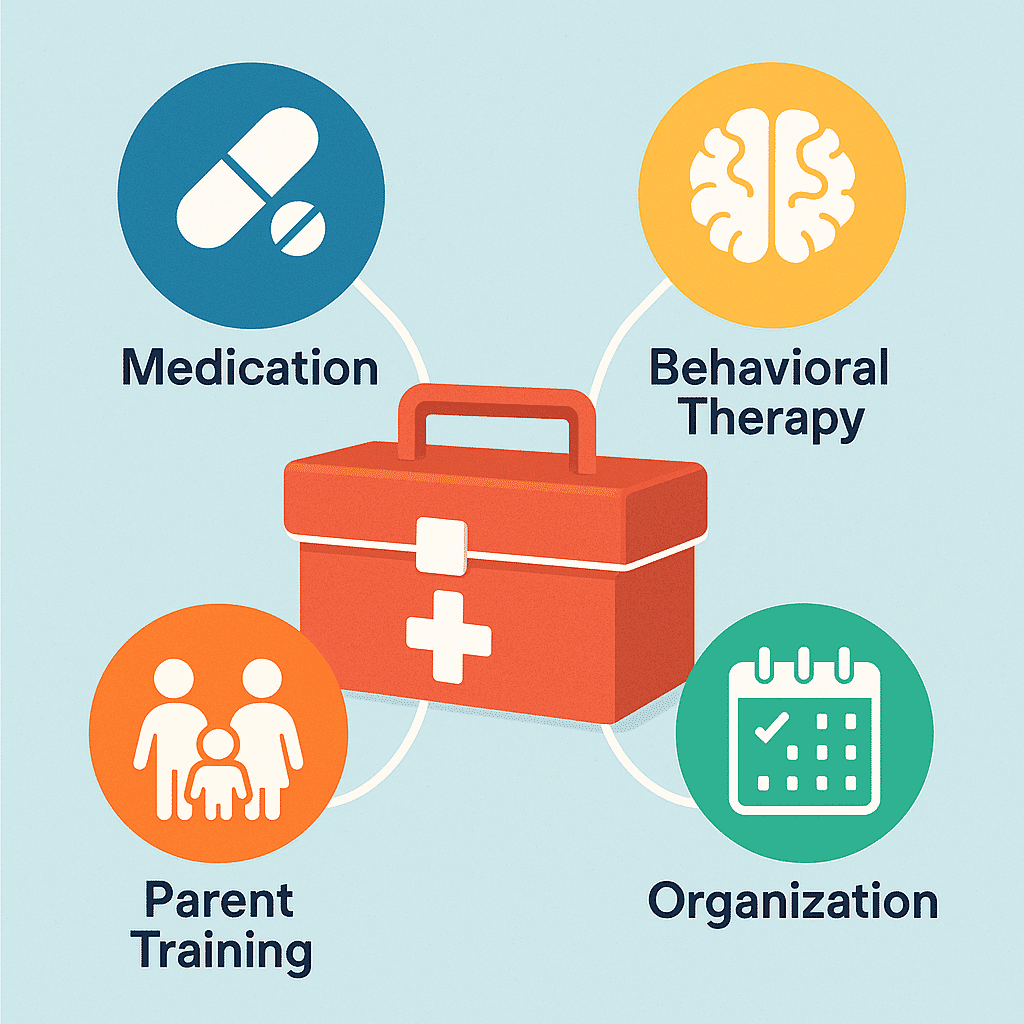
Managing Attention-Deficit/Hyperactivity Disorder (ADHD) in children goes beyond clinical treatment. Daily lifestyle habits play a powerful role in shaping behavior, improving focus, and supporting emotional well-being. Small, consistent changes in everyday routines can make a noticeable difference in how children with ADHD function at home, in school, and in social settings.
Why Lifestyle Matters in ADHD
ADHD affects brain function, particularly in areas related to attention, impulse control, and emotional regulation. While therapy and medical support are important, lifestyle factors such as sleep, diet, physical activity, and routine directly influence these brain functions.
A structured and healthy lifestyle can reduce symptoms, improve concentration, and help children feel more balanced.
Establishing a Consistent Routine
Children with ADHD thrive on predictability. A consistent daily routine reduces confusion and helps them transition between tasks more smoothly. Morning, homework, meal, and bedtime routines should follow a clear and structured pattern.
Visual schedules or checklists can be especially helpful. When children know what to expect, they are less likely to feel overwhelmed or anxious.
The Power of Quality Sleep
Sleep plays a critical role in managing ADHD symptoms. Many children with ADHD struggle with sleep issues, which can worsen inattention, irritability, and hyperactivity.
To support better sleep:
- Maintain a fixed bedtime and wake-up time
- Limit screen time before bed
- Create a calm and quiet sleep environment
Even small improvements in sleep can lead to better focus and mood during the day.
Nutrition and Brain Health
Diet has a direct impact on brain function. While no single diet “cures” ADHD, balanced nutrition supports overall cognitive performance.
Helpful dietary habits include:
- Regular meals to maintain stable energy levels
- Foods rich in protein, healthy fats, and complex carbohydrates
- Limiting excessive sugar and processed foods
Some children may also benefit from identifying food sensitivities that could affect behavior.
Physical Activity and Movement
Exercise is one of the most effective natural ways to support ADHD management. Physical activity increases dopamine and norepinephrine levels in the brain—chemicals that play a key role in attention and focus.
Encouraging daily movement such as sports, outdoor play, or even short activity breaks can help children release excess energy and improve concentration.
Reducing Screen Time
Excessive screen time can overstimulate the brain and make it harder for children with ADHD to focus. Setting clear limits on device use helps create a healthier balance.
Encourage alternative activities like reading, creative play, or outdoor exploration to support cognitive and emotional development.
Teaching Organization Skills
Children with ADHD often struggle with organization and time management. Teaching simple systems can help them stay on track.
Examples include:
- Using labeled folders for schoolwork
- Keeping a dedicated homework space
- Breaking tasks into smaller steps
These strategies build independence and reduce frustration.
Emotional Regulation Practices
Daily habits that support emotional well-being are just as important as academic routines. Techniques like deep breathing, mindfulness, or quiet time can help children manage stress and emotions.
Practicing these skills regularly makes it easier for children to use them during challenging moments.
The Role of Family Support
Family involvement is key to maintaining lifestyle changes. Parents can model healthy habits, provide encouragement, and create a supportive environment.
Consistency across family members helps reinforce routines and expectations, making it easier for children to adapt.
Professional Support for Holistic Care
While lifestyle changes are powerful, they work best when combined with professional guidance. Clinics like Seed Medical HK offer comprehensive ADHD support, including behavioral therapy, parent coaching, and personalized management plans.
These services help families integrate lifestyle strategies with evidence-based treatments for better outcomes.
Conclusion
Daily lifestyle changes are a foundational part of ADHD management. By focusing on routine, sleep, nutrition, physical activity, and emotional well-being, parents can create an environment that supports their child’s growth.
With consistency and the right support, children with ADHD can develop healthier habits, improved focus, and greater confidence in their daily lives.