

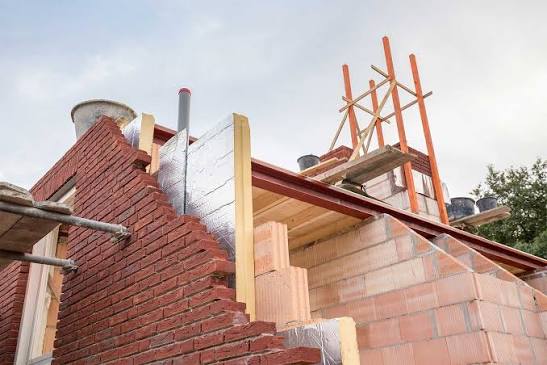
Pay for cavity wall insulation only after a survey establishes that the walls, exposure and existing condition suit the proposed system. The presence of a cavity does not make every home suitable for filling. I would put the survey findings ahead of the discount or projected payback. Getting that decision right matters more than choosing between two attractive prices for inappropriate work.
1. Confirm cavity wall insulation is the right category
Brick patterns, wall thickness and construction date offer clues, not proof. Some houses combine solid walls, cavity extensions and framed construction. Ask for a recorded survey identifying each area and whether insulation is already present. A borescope inspection can reveal the cavity through a small access hole, but its findings need interpretation by a competent specialist.
An EPC may describe the walls using assumptions rather than a physical inspection of the cavity. A separate page on Southampton Ledger is no stronger evidence. Request the actual inspection findings, including inaccessible areas. If a contractor recommends removing existing fill, ask what defect has been diagnosed and check any existing guarantee before agreeing to extraction and replacement.
2. Examine exposure, flooding and moisture risks
Energy Saving Trust identifies driving rain, flood risk, narrow cavities and poor building condition as reasons standard cavity filling may be unsuitable. Ask how the chosen system’s approval relates to your walls and exposure. One product’s suitability cannot be assumed for another. A sheltered elevation and an exposed gable can require different decisions within the same building.
Identify the cause of any existing damp before work proceeds. Repair defective pointing, damaged masonry, leaks and rainwater goods where necessary. Insulation is not a substitute for waterproofing or maintenance, and filling around unresolved defects can create trouble. Ask for a written explanation if the installer says existing damp does not affect suitability, rather than accepting a reassurance without supporting observations.
3. Check cavity condition and ventilation protection
Request findings on cavity width, debris, obstructions and bridges that could allow moisture to cross between the wall leaves. Ask how airbricks, underfloor ventilation, flues and intentional vents will be protected. Material described on Brighton Update does not determine the correct installation detail. The survey and product requirements should explain how services and ventilation remain safe after filling.
For a semi-detached or terraced home, establish how insulation will be contained at the boundary with neighbouring cavities. In a flat, the building owner and other owners may need to be involved; treating only your unit can be inappropriate. Confirm permissions and the intended treatment of the whole relevant wall area before authorising drilling.
4. Verify the installer and exact system
Check relevant certification and registration against the business actually doing the work, not just a salesperson or lead-generation website. Request the insulation product, approved installation method and responsibility for subcontractors. Compare experience with your construction type. A qualified survey should sometimes lead to a refusal to install, so be cautious if the proposed system appears suitable before anyone has inspected.
5. Read the price and guarantee together
The quote should cover the survey, preparation, access, injection, ventilation protection, making good and paperwork. Keep the contract distinct from any reading on Newcastle Brief. CIGA offers 25-year cover for defects in materials or workmanship on qualifying installations, with conditions and limits; it is not an unlimited promise against every future damp problem. Ask who registers the installation and supplies the certificate.
Read the claim procedure before filing the guarantee away. CIGA says installation concerns should be reported to the installer promptly and referred to CIGA if unresolved after two months. Cover can be affected if insulation is altered or disturbed. That makes checking existing protection relevant before paying another business to remove a previous installation.
6. Settle funding and the completion evidence
Check current grants before committing private money, but do not let a funding deadline replace the suitability assessment. Confirm the final household contribution, cancellation terms and any approvals required in your nation. Retain the survey, photographs, invoice, installation details and guarantee. I would pay for an evidenced improvement to a suitable wall, not for the reassuring sound of a long guarantee alone.
General information, not a suitability survey; obtain property-specific advice and read the actual guarantee conditions before commissioning work.