

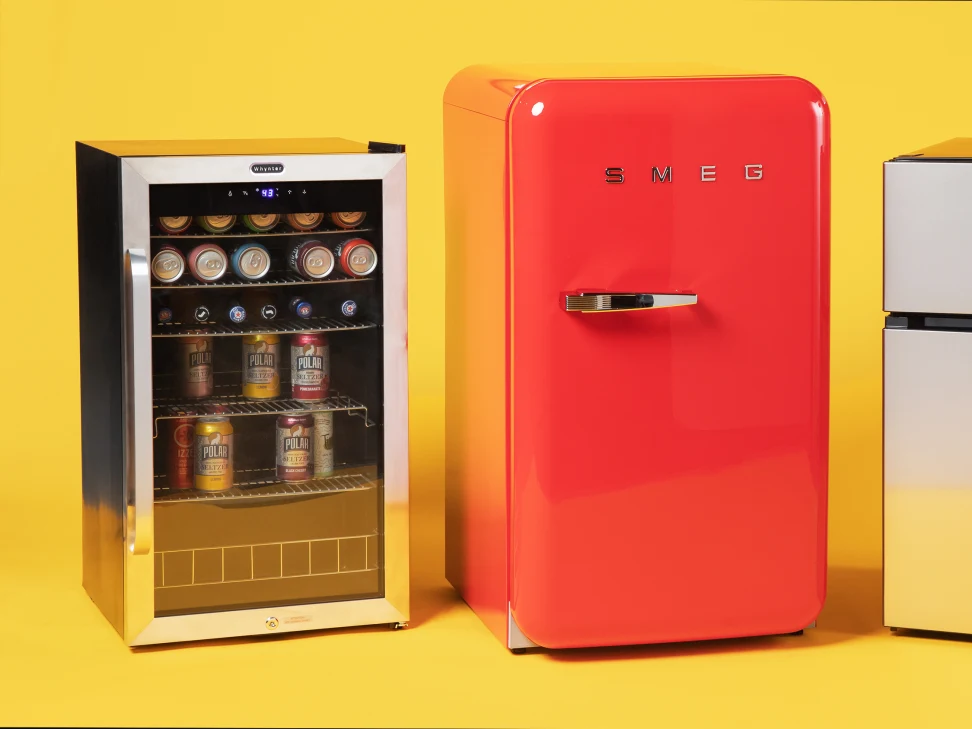
I’ve been thinking about what you mentioned regarding choosing the best mini fridge in the UK market, especially with so many options and trade-offs to consider. Over my 15 years leading teams and managing budgets, I’ve seen firsthand how the choice of equipment, down to something as simple as a mini fridge, can impact efficiency, satisfaction, and even costs in both residential and small business environments. The reality is, not all mini fridges are created equal, and what worked for me five years ago might not cut it today given changes in energy standards, size demands, and technology. Here’s what I’ve learned from countless trials, supplier visits, and working with clients who faced cold storage challenges under tight constraints.
Choosing the right mini fridge is about matching your real needs with practical features, not just picking the flashiest model. Let’s break down the key points you should consider.
Capacity and Size Matter
From a practical standpoint, understanding how much space you truly need is critical. Many people overestimate and end up with a mini fridge that’s too large for the space or under-delivers when it comes to storage. For example, I once advised a client who went for a compact 40-liter unit and found it barely fit seven cans of drink—definitely not enough for their office. The lesson learned: measure your space carefully and think about usage patterns. Do you need something just for drinks or for food storage too? In the UK, popular mini fridges range from 30 to 100 liters, so size—and footprint—are essential to get right early.
Energy Efficiency and Running Costs
The bottom line here is energy use—not just upfront price. The data tells us the UK market has shifted heavily towards more energy-efficient appliances thanks to tighter regulations and consumer awareness. I’ve seen clients save up to 20% on electricity bills simply by opting for a fridge with an A+ or better rating. It might seem minor, but over a year, those savings add up—especially if the fridge runs 24/7. Plus, efficient cooling technology means less noise and fewer cold spots inside. Don’t sacrifice efficiency for flashiness; it’s a classic trap.
Reliability and Brand Reputation
Here’s what works in the UK market: sticking with brands known for durability and service. I learned this the hard way when trying budget models that looked great but failed after a few months or lacked spare parts locally. Mini fridge repair can be a hassle and often costs more than replacement, so buying a brand with UK-based support makes a difference. Think long term. Brands like Russel Hobbs, Hisense, and Samsung often provide a solid balance of cost and dependability.
Special Features and Versatility
In my experience, additional features—like reversible doors, removable shelves, or adjustable temperature control—are not just nice to have; they often solve real problems. I worked with a client who needed a mini fridge in a narrow kitchen corner, so a reversible door was essential. Others benefit from frost-free technology or quiet operation when the fridge is in a living or working space. The reality is, mini fridge users vary, and choosing features that match your lifestyle or office setup matters more than marketing buzzwords.
Design and Aesthetics for UK Spaces
Look, the aesthetic element isn’t superficial—it impacts acceptance, especially in homes or boutique offices where design matters. Over time, I noticed that mini fridges with sleek finishes, compact profiles, and neutral colors tend to fit better into UK interiors and earn more positive user feedback. If the fridge looks out of place, it’ll get less use or be hidden away, defeating the point. Style doesn’t have to cost more; plenty of models balance modern design with affordability.
Conclusion
So, the reality with the best mini fridge to choose in the UK today is that it’s a blend of space, energy efficiency, reliability, practical features, and design. Don’t rush this decision or get swayed by the latest gadgetry. Instead, focus on what your day-to-day needs are and which fridge fits comfortably in your space without costing a fortune to run or maintain. I’ve been down this road many times, and following these points will save you headaches, money, and wasted time.
FAQs about Best Mini Fridge to Choose in UK Today
What size mini fridge is ideal for a one-person household?
A compact fridge around 40-50 liters usually suffices, offering enough space for essentials without taking too much room.
Are energy-efficient mini fridges more expensive upfront in the UK?
Yes, typically they cost more initially but save you money in electricity bills over time.
Which brands make the most reliable mini fridges in the UK?
Russel Hobbs, Hisense, and Samsung are top picks for durability and good UK service support.
Can mini fridges operate noise-free in small apartments?
Many newer models feature quiet compressors designed for minimal noise in close quarters.
Is frost-free technology necessary for mini fridges in the UK?
Not essential but it helps reduce manual defrosting and keeps food fresher longer.
Do reversible doors add value to mini fridge usability?
Absolutely, they provide flexibility in small or awkward kitchen layouts.
How long does a good-quality mini fridge typically last?
With proper care, 5-7 years is a reasonable expectation for quality models.
Can I use a mini fridge for wine storage in the UK?
Yes, some models have temperature settings suitable for chilling wine.
What’s the typical energy rating to aim for in UK mini fridges?
Look for an A+ rating or better for optimal energy savings.
Is it better to buy a mini fridge online or in-store in the UK?
Both have merits; online offers variety and reviews, while in-store lets you see the product firsthand.